Work & Career
It's Not That You're Too Sensitive—the Workplace Really Is Draining You
 虎头锤 (Hutouchui) · Staff Engineer
Translated from the original Chinese essay · Read the Chinese original →
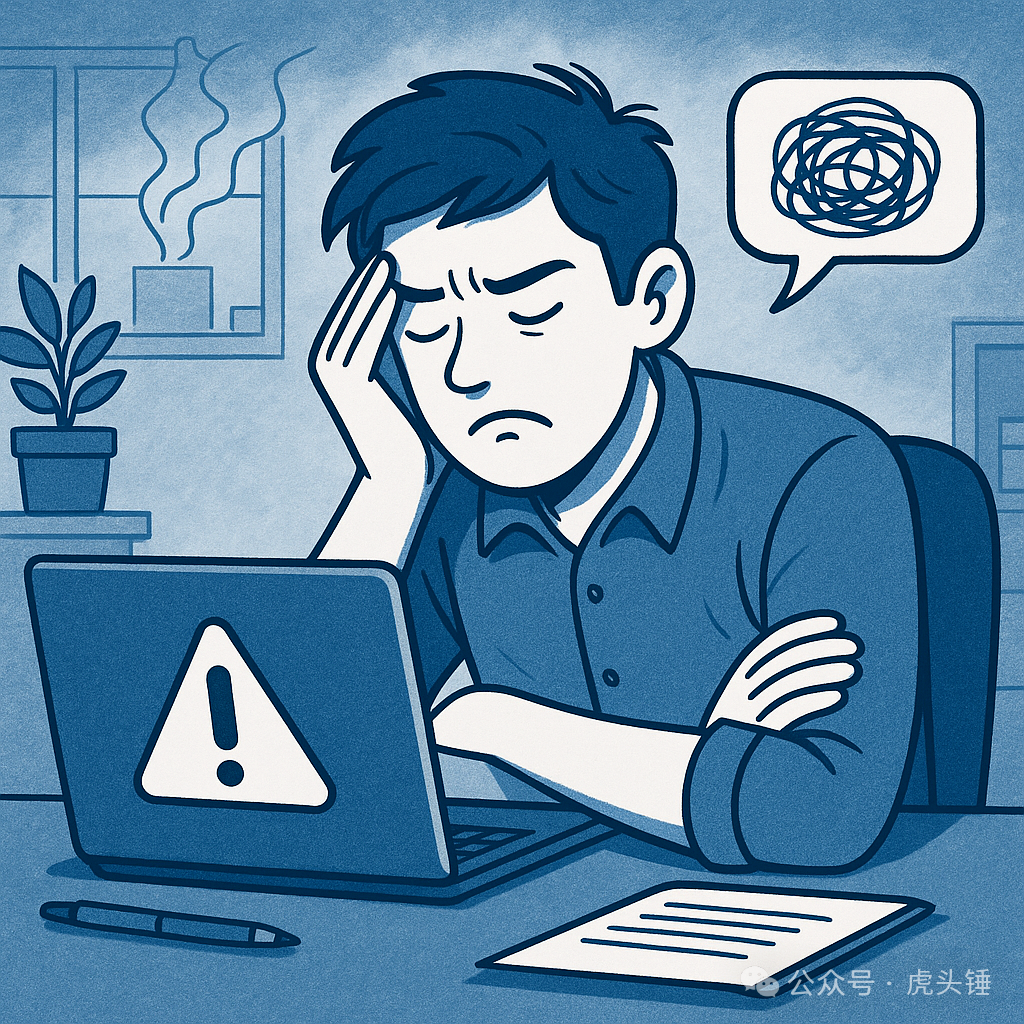
At 3 a.m., your phone suddenly buzzes. Production is down. You force your eyes open and dig into the problem until dawn seeps through the curtains—and at the morning meeting, the first thing your manager says is: "Why wasn't this bug caught earlier?"
This isn't the first time. Your code becomes someone else's credit, your mistakes get magnified, and your enthusiasm is worn away by one blame game after another. Is the problem really you?
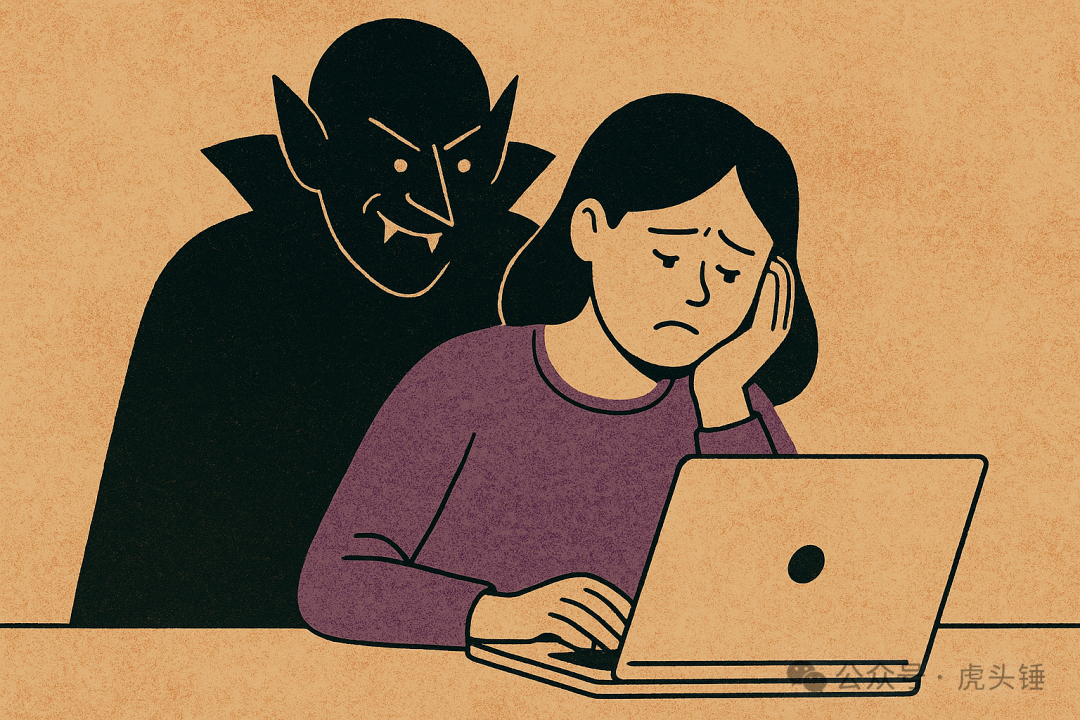
In teams that look normal on the surface, the most hidden "vampires" often lurk.
There's no blatant exploitation, but every day brings a small slight, a little grievance, a moment of being dismissed. Add them up, and eventually you realize it's not that you don't like the job—it's that you can no longer summon any energy for it.
One of my teammates was like this. She was exceptionally diligent and capable, never slacking off. But in three years, she never got a promotion, and her performance reviews said the same thing every year: communication needs improvement.
It wasn't that she couldn't communicate. It was that the team defined good communication as obedience. Anyone who proactively voiced ideas was labeled a troublemaker. The more responsible she was, the more blame she took. The more she delivered, the more she was questioned.
Once, she submitted a complete optimization plan. At the meeting, her manager said publicly, "I already proposed this logic before." Her name might as well have never existed.
Later she left, quietly. In a private message she said only: "It's not that the work was too much. It's that I couldn't carry the emotional weight anymore."
This isn't an isolated case. It's a norm many people refuse to admit. The scariest part is that when you start wondering, "Am I being too sensitive?" you've already fallen into the trap.
A truly healthy team never makes you doubt your life while you're working hard. Places that energize people share a common trait: your words get responses, failures get reviewed, and successes have your name attached.
A "vampire" team, on the other hand, has a few telltale signs.
For example, trust is extremely low. Suggestions are met with "Are you trying to deny my work?" Doing well is "just your job," and being slow is "an attitude problem."
Communication relies entirely on guesswork. The manager never directly states requirement changes, but always makes things difficult right before the deadline, leaving you guessing every day: "What does he actually want?"
When problems arise, the first question isn't "How do we solve this together?" but "Who's responsible?" Responsibility gets pushed down layer by layer, until it lands on the person who works the hardest.
Emotional contagion runs rampant. The office atmosphere is suffocating. Going to work feels like visiting a grave. Everyone sits in the trenches waiting for the explosion, preferring to stay silent rather than stand out.
And the most common sign: capable people leave one by one. Those who stay are either content to coast, long numb to it all, or simply don't care.
The hardest part is that you're not numb. You've told yourself countless times: "Maybe I'm just not adapting," "Maybe I'm not expressing myself clearly enough," "Maybe switching jobs now would be impulsive."
But you know what? The real tragedy isn't staying. It's gradually getting used to the bad.
Maybe you can't leave yet. Reality is heavy: rent, loans, visas, kids... But you can do one thing: give yourself an exit.
From now on, stop the internal drain. Stop asking yourself over and over if you're too fragile. You're not fragile. You've just been treated poorly for too long.
Start recording every uncomfortable moment. The meeting where you were cut off mid-sentence. The project outcome that went unmentioned. The Nth time you took the blame for someone else's mistake. Write it down, not to accuse, but to remind yourself—this is not the life you should accept by default. Then protect yourself.
Keep a paper trail for all important communication: emails, meeting notes, screenshots, backups. If needed, send a line like: "Let me summarize this part so we can all double-check."
When something unreasonable happens, you don't have to push back on the spot. Respond strategically: "I'm currently handling tasks A and B. If we add this requirement, it may affect the overall delivery. How would you like to prioritize?" Don't worry about seeming uncooperative. This isn't being uncooperative—it's protecting yourself.
If you can get opportunities to collaborate across departments, don't miss them. Stepping outside your team's small circle lets you see the broader workplace ecosystem.
Start updating your resume and organizing project materials. Not necessarily to jump ship, but to regain a sense of control. More importantly, prepare yourself with:
- A complete project you can put on your resume;
- A summary of your approach that clearly explains the logic;
- A heart that knows "I deserve better."
Give yourself the confidence to turn and walk away at any time, rather than being forced to keep your head down by the environment. Leaving isn't running away—it's fighting for soil that suits you better.
We all deserve a team that doesn't squeeze our passion like a resource to be drained. We deserve an environment where we are seen, acknowledged, and respected. Stop letting those fake-reasonable workplace cultures drag you along. We all have choices. We all deserve better.
May you soon leave the place that made you silent, and return to the self that dared to shine.