STORY 09
The Beauty of Improvisation
 虎头锤 (Hutouchui) · Staff Engineer
Translated from the original Chinese essay · Read the Chinese original →
The piano duel in The Legend of 1900 is my favorite scene.
Lights sway, notes fly, everyone holds their breath.
The moment 1900's fingers land on the keys, I suddenly understand: freedom is not about leaving, but about finding your own rhythm.
That music is jazz. No fixed score, no preset structure—only listening in the moment and responding in the moment. That is the most moving thing about jazz: beyond technique, it is the soul playing.
I want to see Sally have a day like that. Not surrounded by applause, but finally playing her own voice amid the noise of life.
🎵 Movement One: Midnight Improvisation
Her story begins very quietly.
She sits at the piano, playing Chopin's Nocturne in F minor. The B section has too wide a stretch for her small hands; she keeps missing it. She says, "It takes a lot of courage to pick it back up." A few times she hits wrong notes and simply lets the melody run its course without correcting. She plays very slowly, just to trace the direction of every chord.
Late-night streetlight filters through the curtain and falls on the keys.
Sally has grown used to this nighttime rhythm. Whenever the children fall asleep, she tiptoes to the piano room and puts on headphones. Sometimes she drives fifteen kilometers to a piano school and practices until midnight.
Her fingers first test a few notes on the keys, like a deep breath before a conversation. Etudes, arpeggios, scales—she plays them over and over until her body remembers the rhythm. This is the gentlest pact between her and the world: at the hour when others have entered dreamland, she keeps company with herself.
Her fingers dance on the keys, and that flowing rhythm is like breathing.
Sally learned the electronic keyboard as a child. Her teacher was a primary school music teacher who did not teach much, but whenever she touched the instrument, her heart felt as if a mute button had been pressed. That is how the piano entered the deepest part of her soul.
At seven, she got her first electronic keyboard—a Japanese Casio that her parents bought by gritting their teeth. But life took a turn and the family's finances suffered. Let alone learning to play, even keeping ordinary days going was not easy. That door was gently closed.
Later she studied computer science. Thanks to her good English, she got into Intel (though good English alone was certainly not enough). For the first five years she wrote code, did testing, and worked on various IT solutions. For the next five years she moved into HR, doing culture building and activities—all about working with people.
Those ten years were like a fixed program: stable, replicable, and without many bugs. By chance she learned about a friend's immigration process, and the idea of going abroad, once suppressed by life's pressures, was suddenly ignited. Because of policy changes, the destination shifted from Canada to Australia, and in the end she got her visa smoothly.
Playing the piano had always been pressed at the bottom of life, like a quiet variable.
🎶 Movement Two: Variations of Life
While still in China, she had already considered that she might not find a job in Australia.
Having a backup plan, studying seemed a relatively safe option. She thought about pursuing an IT-related bachelor's or master's degree and even looked up schools. Later, she talked with her company's HR director, who had studied and worked in Australia for many years. After hearing her thoughts, the director said directly, "You should do an MBA. In the Australian workplace, networking matters more than credentials."
She took that advice to heart.
So after arriving in Australia, she applied for an MBA.
Unexpectedly, not long after landing, she landed a junior marketing job. Although she had no local Australian experience, her years at a major international company let her handle the work with ease.
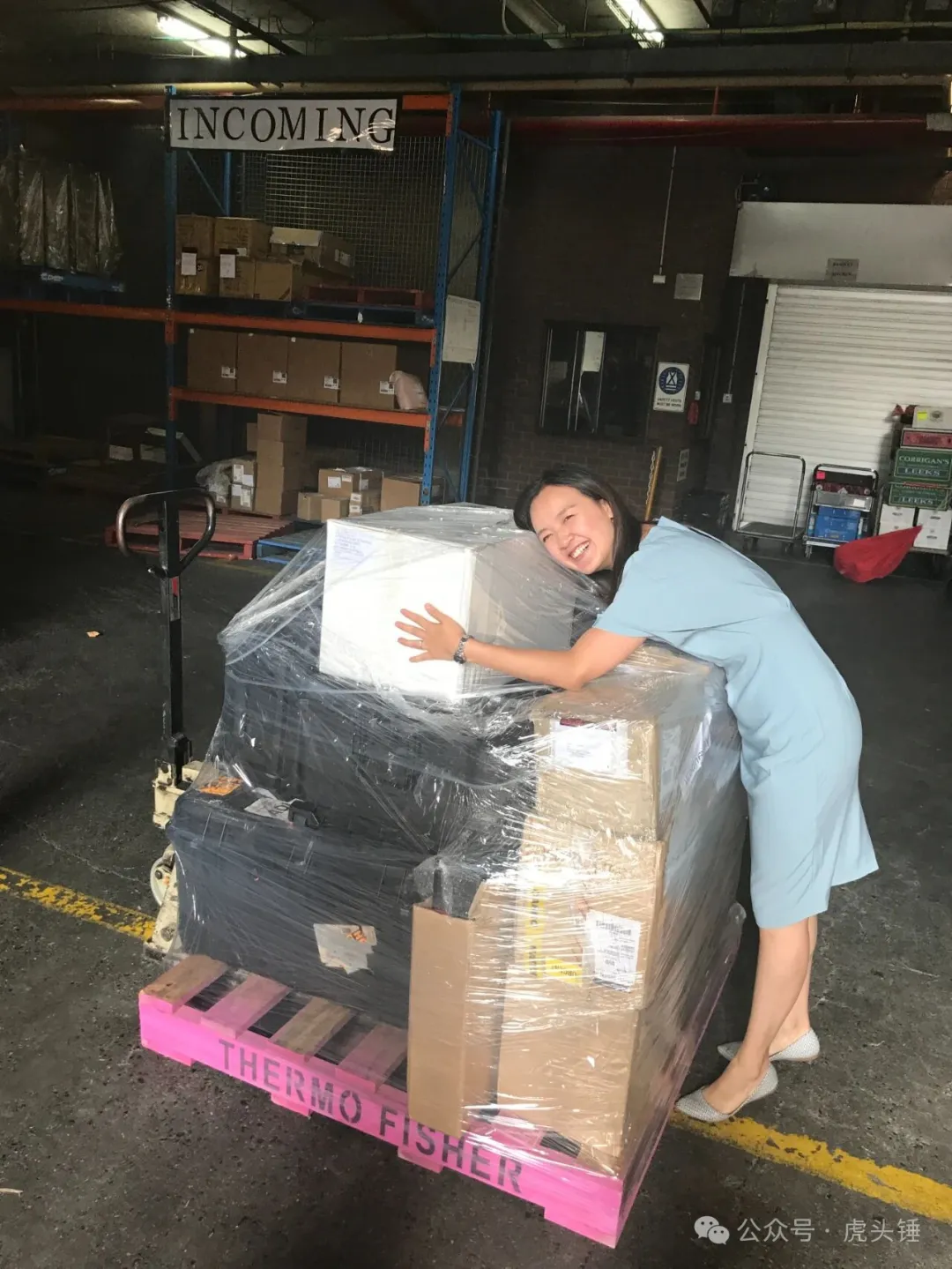
Since it was a junior position, she accepted a very low salary. But as the saying goes, a loss may turn out to be a gain. Thanks to the junior workload, she was able to study for her MBA full-time while working full-time.
For two years, she worked during the day, attended classes at night, and did assignments on weekends.
"I really never slept a full night."
But she says, "Those were the two most fulfilling years of my life."
The MBA pace was fast: reports, presentations, group discussions, case analyses. For the first time she debated in an all-English environment, her heart pounding. "I remember that after I said my first sentence, my mind went blank for a moment. But everyone was listening, so I kept going."
She discovered that people there did not care so much about "saying the right thing" as about "what you think." That course made her realize for the first time that "expression" is not just about displaying knowledge, but about revealing the person.
Her favorite course was organizational behavior. It covered "why people resist change," and she felt a strong resonance. The professor said, "Change is emotional, not procedural." At that moment she realized that change is not just about process, but about emotions and relationships.
She later wrote, "In that course I understood for the first time that empathy is not a personality trait, but a capability."
She liked the professor's style—never condescending, often reminding students, "Make yourselves super fit. Read widely. Don't get into another study quickly."
She laughs and says, "I wrote down all three."
What she liked most about the MBA was that the professors almost never taught only theory. "They taught strategy and methods, but they also taught how to be a person." That calm, generous bearing was something she learned outside the classroom.
During that period, she wrote emails with one hand by day and papers with the other by night. The exhaustion was a bit like the blues—repetitive, low, yet resilient.
🥁 Movement Three: The Solo
To establish herself in Australia, finding a job was unavoidable.
An exercise in her MBA class gave her a completely new understanding of work.
The professor asked everyone to write down all the positions they could think of, all the jobs they wanted to do—no limits.
Then think: if you want to take this path, who can help you get where? Among your alumni and the people you can find on LinkedIn, who might be connected? Then think about what you most want to do in one year, three years, five years—even what identity you hope to retire with.
She wrote down many different career directions: HR, marketing events, organizing music festivals, even starting a business. But in the end she chose the consulting route, which places the most emphasis on networking—after all, it sounded cool, and maybe she could even change the world.
Actually, among all those career directions, she had also quietly written down "pianist."
That exercise made her re-examine her interests and possibilities. "After I finished it, I thought, wow, there really are so many things I want to explore."
That day she suddenly understood that her past career choices had all been defined by "what I can do" rather than "what kind of person I want to become."
Because of that exercise, networking became a key part of what she needed to do. Her MBA career mentor repeatedly reminded her, "You must start networking."
She understood in her heart, but kept putting it off.
Because if she reached out to someone, "I was afraid of rejection, and even more afraid of not being rejected. If they didn't reject me, the conversation would be awkward, and I was afraid of wasting their time."
Until one day, her career mentor said to her, "You have ability and experience, but if you don't put yourself out there, others will never see you, and you will always be underpaid." That sentence hit like a drumbeat, shaking her out of her comfort zone.
She began reaching out to people one by one.
The first time, she wrote an outline in advance and rehearsed her opening lines in a notebook. The person turned out to be very enthusiastic and introduced her to other colleagues for a second round. She laughs and says, "After that I realized networking wasn't so scary."
She scheduled two or three meetings a week, meeting alumni, friends of friends, and senior people in the industry. "Actually, I didn't say I was looking for a job. I just said I wanted to learn about their industry."
She found that as long as you sincerely listen, people will help you.
Once, she met a Mexican mentor. After reading her resume, he said, "You think like an engineer, but you feel like a humanist." She paused, then smiled.
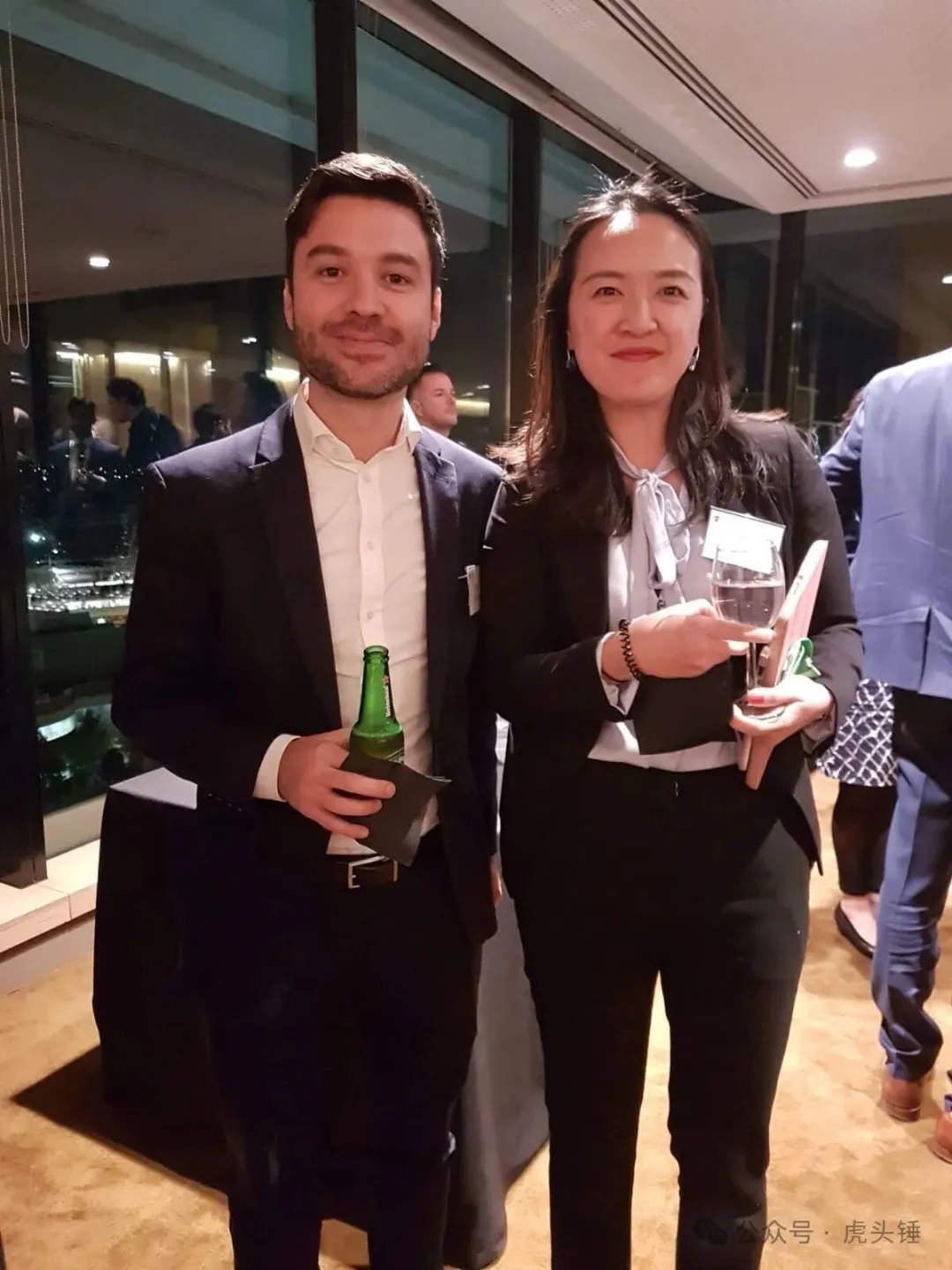
That year, she met many people and gradually began to see herself.
🎺 Movement Four: In the Pocket
The real turning point came through an alumni connection.
During a post-class conversation, she got talking with a senior alumnus. After hearing her story, he said she had logic and empathy, and recommended she meet an alumnus working at NAB.
That NAB alumnus later became her opportunity node. "He said, your background is quite special—IT background, HR work, MBA—all together it sounds a lot like a Change Manager."
A few weeks later, she received an interview invitation and joined NAB's Transformation team. That was her first real Change Manager position.
She remembers being extremely nervous. "I looked up everything I could find about what this role actually does." On her first day at work, she discovered that the job happened to piece together all the fragments of her past.
"What a Change Manager does is help people cross the gap of change."
She was indeed a natural Change Manager.
Her way of explaining it to others is straightforward: "Companies change every day—new systems, new processes, new culture—but people don't like change. A Change Manager helps leaders understand employees' resistance, and helps employees see the meaning of the change."
She says, "The left hand is systems, the right hand is people."
She especially likes the warmth of this job. "Change itself makes people uneasy. Without empathy, you're just pushing people." She laughs and says, "Sometimes leaders say, 'This little change is no problem,' and I know the problems are just beginning."
She learned to read people, and also learned to wait. "I feel I've finally found a place where I can use both my head and my heart."
She likes the phrase "in the pocket." It's a jazz term meaning "all the musicians have entered the same groove."
When a team truly gets "in the pocket," that tacit understanding can be felt. Everyone is sounding from their own position, yet within the same groove.
This is not "perfect ensemble," because the scene of change is never perfect: some will hesitate, some will waver, some will habitually return to old ways. "But if you are willing to wait, to listen, to explain a little more, that rhythm will slowly emerge."
At that moment, it feels like jazz at its best—no one needs to grab a solo; everyone aligns with each other within their own notes.
🎤 Movement Five: Tea Break
Her WeChat public account is called "Her Energy Heart Tea."
When she first started writing, she did not imagine it as a project, just a small place for herself and friends in her circle to talk slowly.
The uncertainty of the pandemic made everyone search for an outlet within limited space. She chose writing to clear the noise in her head.
At first she wrote about job-hunting methods, interview experiences, team collaboration and rhythm. She set a small goal for herself: one article a week, no chasing hot topics, no competing on headlines. What she wrote did not matter; what mattered was "to keep going."
As she wrote, life naturally blended into her themes.
She wrote about the supermarket philosophy of "only buying discounted items," about the small joy of "redeeming points for coffee," and about that half-serious, half-joking piece "I'm Bankrupt." "I officially declare that I am bankrupt. But I am still living quite well."
She does not put on airs, nor does she wallow. "I don't want to write motivational pieces. I just want to write the truth."
She says writing is her heart tea. "Sometimes it's a hot cup, sometimes it's fine when it's cold—either way, it's time I give myself."
Many people rely on yoga or meditation to calm themselves; she relies on writing. "Words understand me better than I understand myself."
Later, she stopped updating her public account.
She started playing the piano. Her video channel is called "Building a Career Is Not as Good as Practicing Piano," and on Xiaohongshu she also records her real piano journey.
She has not actually stopped expressing; she simply switched from words to music. During those years of writing, she sorted out order in her words, as if tamping down a foundation; now she finds breath on the keys, building a freer castle in the air on that foundation.
Writing and playing the piano are both conversations with herself. She has not given up either form of expression; she has only let the shape of language come closer to her present self.
After playing a movement, she writes a short passage, then returns to life.
🎹 Movement Six: Back to the Head
She truly restarted her piano dream in 2022.
She first found a Chinese teacher. Seeing her age, the teacher said, half-jokingly and half-seriously, "No need to work too hard; just play some pop songs." She smiled and nodded, but inwardly shook her head. She knew what she wanted was not to "look like she could play," but to "really be on the road."
Before she found a teacher, her job changed to KPMG. During the team icebreaker on her first day, she said that as a child she had wanted to be a pianist.
A colleague immediately said he had studied piano for years and asked if she wanted an introduction to a teacher. She nodded. That person is now her teacher.
From that day on, the crossed-out career—"pianist"—was written back in.
In the first lesson, the teacher asked, "Why do you want to learn piano?" Since they were not yet familiar and she feared being discouraged, she casually said, "I just like it." After a few lessons, she finally said the truth she had held back for years: "As a child, I wanted to be a pianist."
She found all sorts of reasons to say she couldn't do it—no childhood training, weak fingers, and so on. The teacher simply said, "So what?" No childhood training does not mean weak fingers. One hour of sincere, devoted practice is far better than four hours of forced practice. And if you play until you're eighty, you still have forty years. So what?
At that moment, the door opened a crack, and light came in.
At first it was classical. Chopin, Bach, Rameau. Her fingers disobeyed, and the scores seemed like enemies.
She wrote, "Practicing at original speed means death; 0.8x speed is the adult's pace." She also wrote, "Eight bars took two hours—what kind of creative genius was Chopin?" Sometimes she added a line: "Too intense, too hard, too much in love."
By the end of 2023, she began learning jazz. At first it was curiosity. Then it became addictive. She wrote, "Even if my CPU burns out, I'll practice the fundamentals." She wrote, "No sheet music—use my ears to figure out fourth-based harmonic progressions."
One week, she analyzed someone else's 17-second comping. She watched it over and over, breaking it down. She said, "Teacher Caleb often asks me—What is this? To hear what others play, you first have to be able to articulate it. This time I finally knew what I was listening to."
In 2025, she decided to focus on jazz. Her schedule became denser, her practice more detailed. She increasingly liked the feeling of slow practice. A piece is broken into blocks, each block touched and revised over and over. She wrote, "Practice until your fingers can speak."
Sometimes she records videos at home. Only her hands, not her face. Her child pokes his head out of the room: "Mom, what are you playing?" "Jazz." "What is jazz?" "Jazz is music that keeps going even when you play wrong notes."
When she smiles, her eyes are bright.
Since picking up the piano again, every six months she takes the chance to show off at her school's concerts.
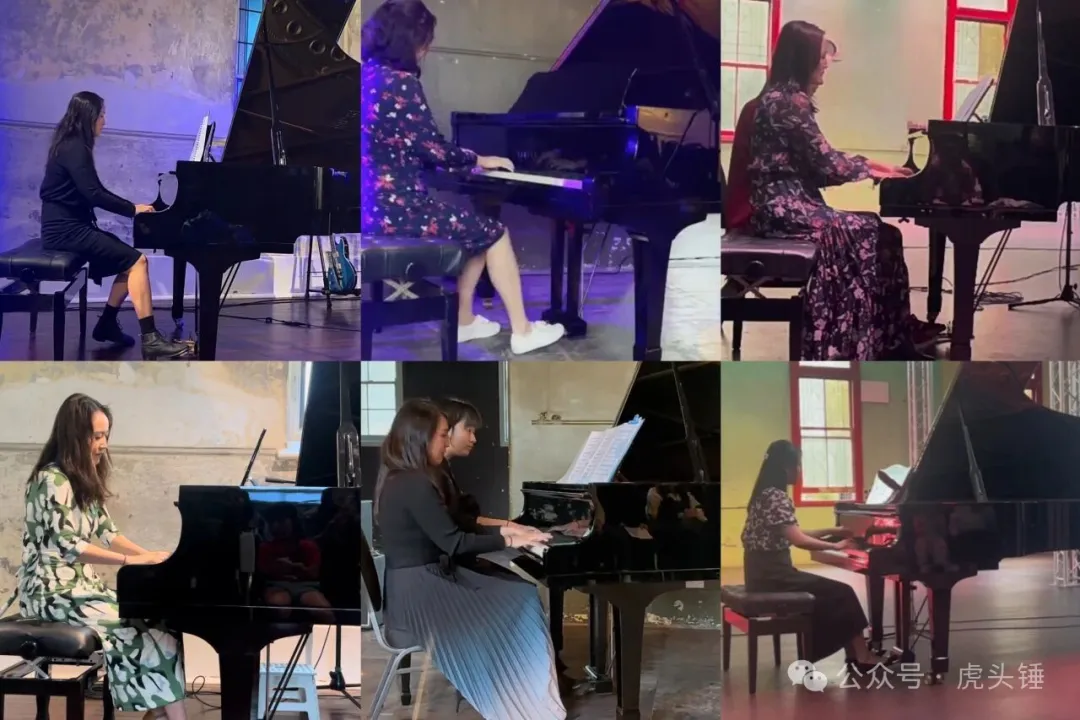
Those wrong notes, those imperfections, have all become her own rhythm. She has also begun seriously preparing for the conservatory entrance exam, next year.
Going back to the head is not returning to the starting point, but playing that original line with the person she is now. That line is simple: one piano, one person, one piece, one stretch of time.
But as she keeps writing that line, she sees many details she had not noticed in the old days slowly light up: her pursuit of tone lies not in flashy chords, but in the space between them; her desire for expression lies not in speed, but in the layers of touch and the restraint of "don't rush."
I think I also understand why that piano duel in The Legend of 1900 moved me. 1900 won not by showing off technique, but by restoring the sea in his heart.
🎼 Finale: The Improv Goes On
In recent years, her life has made several quiet turns. From the logic of a foreign company to the local system, from "finding methods" to "building muscle," from words to keys.
By day, she is still in Change Management, leading teams to sort out systems and settle hearts; morning and evening, she sits at the piano, practicing eight bars, listening to eight beats, aligning her breath again and again.
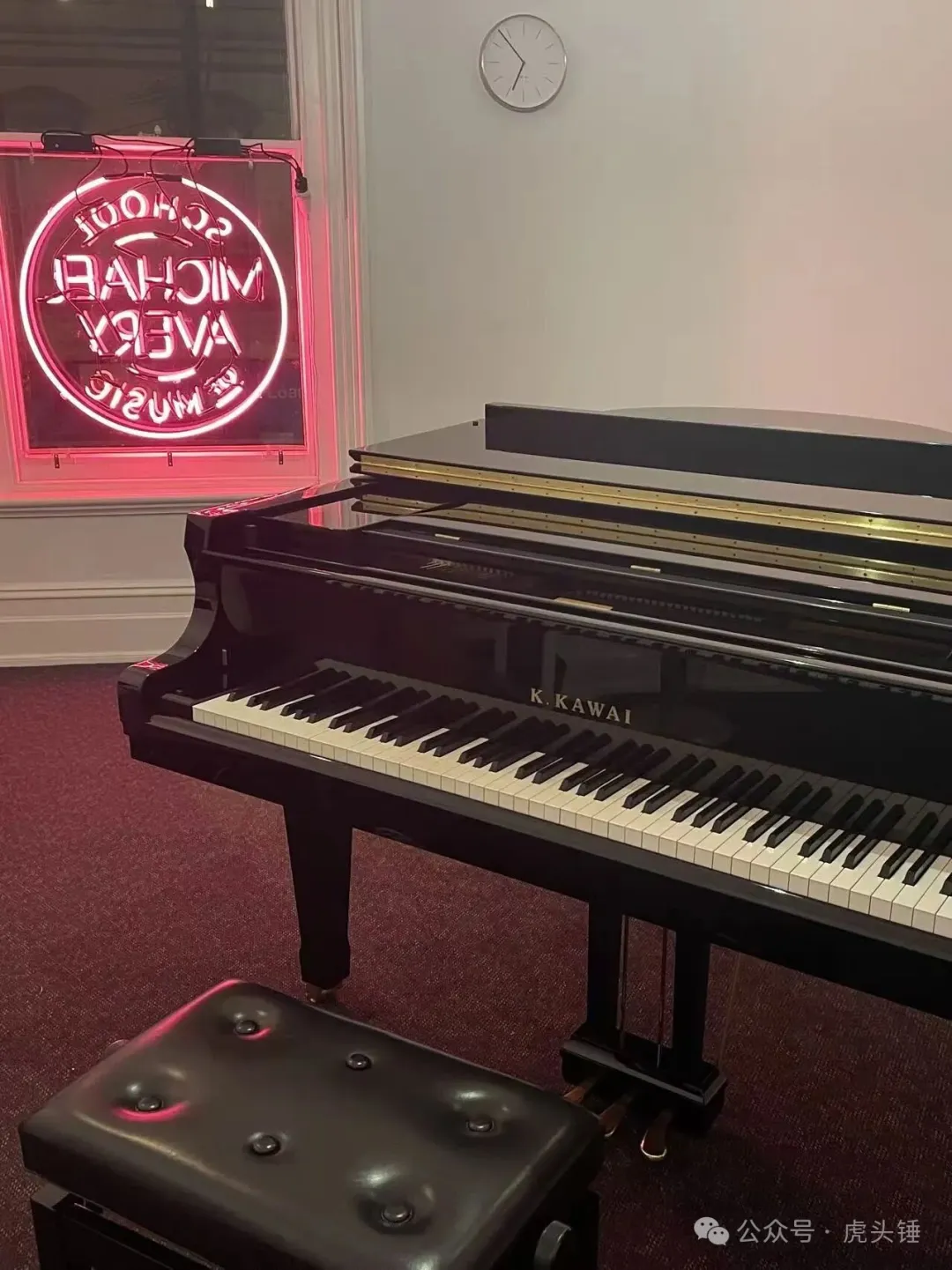
Life without limits is not a slogan. It contains honesty, choice, and endurance. Just like being in the pocket—no one suppresses anyone; everyone is in their own beat, yet breathing in the same groove.
Jazz taught her not to fear pauses. Sometimes a rest is part of the melody. Silence is not failure, and slowness is not retreat. What matters is whether you continue on the next beat.
Light falls on the keys, and the wind outside blows in gently. She rests her hands on the piano without playing, as if waiting for a signal to begin. Then her fingers descend, the melody unfolds, and she gently draws it back.
The piano she dreamed of at seven traveled across the ocean from Japan and took three full months to arrive during the pandemic. The day it was delivered was a winter afternoon. She opened the lid and pressed the first note. "I said to myself, I'm home."
Nothing is more beautiful than an impromptu—not because it is free, but because it teaches people to have the courage to continue even when there are no answers.
Every improvisation can bring out a new path.
The most beautiful places are often found around the turns no one planned.