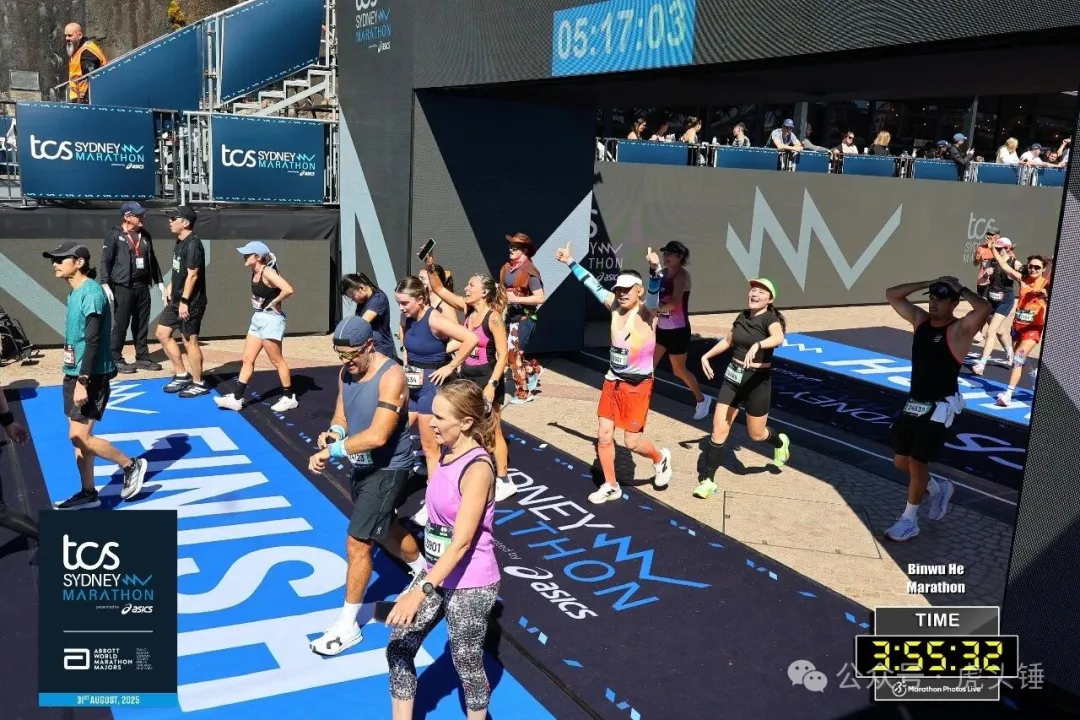
STORY 04
Brother Lao He
 虎头锤 (Hutouchui) · Staff Engineer
Translated from the original Chinese essay · Read the Chinese original →
This is the fourth piece in Wandering Under Different Stars (4/100).
Before my NAB interview in 2019, I made a point of having Lanzhou noodles with Lao He to hear his thoughts on NAB. At the time, we all said that if you were going to NAB, you had to get "Lao He's blessing."
He is older than us, speaks slowly and deliberately, never rushed or flustered, which makes people feel steady.
Wrestling with Language
On September 19, 2012, Lao He, at forty, flew from Dalian with his wife and daughter and landed in Sydney. On the first day, he felt like a mute. When others spoke, he couldn't understand; when it was his turn, others understood even less. The taxi driver made small talk, and he could only nod and smile. At the supermarket checkout, the cashier asked if he wanted a bag, and he froze while the people behind him grew impatient.
His IELTS score wasn't bad, but that was because he had learned English "like math." He could solve grammar and logic questions, but when faced with real conversation, he was still mute.
In the second week, he forced himself to go to the English corner at a church. Sitting on a bench, he strained to listen to others chat, trying to catch a few words. He wanted to jump in, but often got stuck and ended up silent. Back home, he and his wife agreed to communicate in English as much as possible. She corrected his pronunciation, and he repeated after her, like a student.
In October, he attended a Skillmax training course. The first time he listened to the teacher, he couldn't understand most of it. Compared with his classmates, he was the slowest. Some were already interviewing while he was still polishing his resume. He knew that blindly sending out resumes would only lead to rejection, so he decided to work on his language first.
In November, he signed up for an emergency drill at Sydney Airport. He went to the wrong meeting point and stood alone in the empty hall, at a loss. After entering the meeting room, the staff announced a plane crash landing with injuries. He only caught a few words and relied on the volunteer next to him to explain. For an entire afternoon, he muddled through the process.
After the drill, someone handed him an internship agreement. Four pages, full of obligations binding the volunteers, but not a single clause about the company's responsibilities. He stared at those lines, his heart sank, and for the first time in Australia, he said "Refuse." His voice trembled, his palms sweated, but he said it.
That year, he often felt like air. At the English corner, he could only nod along; his resume listed twenty years of experience in China, but here it was worth nothing.
September 18
On September 18, 2013, just one day before the first anniversary of his arrival, he flew back to Sydney from Melbourne, dragging his luggage out of the elevator. Ten meters from his front door, as Lao He was taking out his keys, his phone buzzed. It was an email from Accenture HR asking about his work permit.
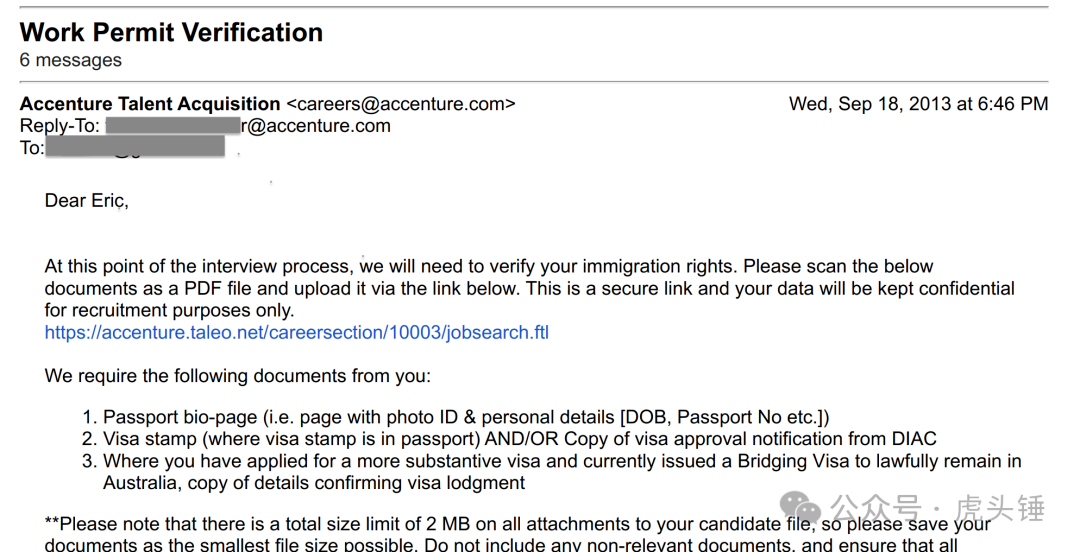
He had waited a whole year for this moment.
At ten that morning, he had just finished his final interview in Melbourne. He felt that the reason he got the Accenture interview was largely because the company's HR was in Dalian, and the initial interview call also came from Dalian.
The earlier interviews had gone smoothly, and this final round was more of a formality. Most importantly, he had taken a friend's strong advice to attend the final interview in person in Melbourne.
When he received the formal offer, he was still a bit dazed. A package of 76,000, not high, but it was his first formal IT job. The company was in Melbourne, with a 3,000-dollar relocation allowance, which seemed incredible to him at the time.
He stood at his front door for a long time. After a whole year, just when he was about to give up, the opportunity came, and he seized it. One opportunity was enough.
But the real test began once he stepped into the project.
Just over a month into the project, his manager said something that stuck with him: "Eric, you made me nervous." He had misheard an instruction and accidentally overwritten environment documentation, bringing the whole environment down. He was already nervous enough, and now he had made his manager nervous too.
At the end of May 2014, less than nine months into the job, his supervisor called him aside and told him that the project team had given poor feedback and wanted him to leave the project early. But in the final two weeks, he was asked to port a set of existing PowerShell scripts.
That night, he barely slept. The next morning, he went to his supervisor, hoping to get advice from him as a career mentor.
The supervisor was direct: Your technical skills are fine, but you rarely ask questions, never clarify requirements, can't distinguish priorities, and always act on your own assumptions. If you can first confirm the scope, then prioritize tasks, with your technical ability, completing tasks won't be hard.
Those words were a ray of light through dark clouds. Over the next two weeks, while the supervisor was on leave, he began asking questions frequently, confirming by email, and reporting progress before leaving work every day. In the end, he completed the main tasks and clearly noted which parts couldn't be finished due to dependencies on others.
More than a month later, the supervisor came back and told him: the scripts ran well. Over the following year, he went back to the supervisor many times for advice.
This experience made him truly understand for the first time that in this land, technology is only the foundation. Although he was never afraid of technology, survival depended on communication, confirmation, and making things clear.
In those years, he kept learning, building confidence with one certificate after another.
Wrestling with Cloud
From early 2014 to mid-2015, he took almost every certification he could: Cisco CCNA, CCNP DC, NetApp Storage Admin... But the reality was that these certificates in traditional IT infrastructure didn't bring many opportunities. There were too many experts in the market. He remembered a gathering where 9 out of 11 people were CCIEs, holding 18 CCIE certificates in total. He and another friend with only CCNP had no chance even to be sparring partners in such a crowd.
The turning point came with AWS. In 2015, it was still a relatively new field with little competition, a case of "more porridge than monks." After passing the AWS SAA in June, he received an interview invitation the very next day. The certificate number was only in the 8,000s globally, showing how early he was.
Later, he earned two more AWS certificates, with numbers in the 4,000s globally. Three AWS certificates plus over a year of hands-on experience completely changed his position in the market. Later, when his company offered him a counteroffer, it was largely because AWS required partners to have a certain number of certified staff, and his certificates helped the company maintain its qualification.
It was also these accumulations that kept him from panicking when he first encountered a real cloud project at Telstra. By then, he could follow most discussions in meetings, and although his spoken English was still halting, he was no longer completely silent. His salary also rose to 100,000, and he finally felt a bit more stable.
Later, Lao He went to Datacom. Colleagues there came from all over the world, with an unimaginable variety of accents. At first, he was lost again. After six months, he gradually caught up, occasionally understood jokes, and laughed along. A South African colleague commented that in 2016 his English was at most a 3 out of 10, but now it was a 6. He laughed and said it was progress.
Over the years, certificates and projects slowly lifted him up. He wasn't the smartest, nor the most articulate, but he could fill the gaps and get things done. Gradually, in others' eyes, he became someone they could rely on.
He also became more responsible at work. When a system switch caused a problem, a true edge case, he was the first to speak up: "I don't know what the problem is right now, but something just went wrong." He didn't shift blame or cover it up.
When colleagues repeatedly asked the same troubleshooting questions, he simply wrote a checklist and said, "Next time, do this check first." A small gesture, but it saved many people trouble.
With his experience, he values outcomes over outputs. His work allows his current company's boss to go on a two-week vacation without a laptop (something the boss couldn't have imagined a year ago), and he feels that's enough.
In This World
I don't remember which TV drama said it: Being born is easy, living is easy, but life is not easy.
Lao He understood this early. As a teenager, he did well in school, but poverty often made him feel inferior. He was also thin and small, barely over 1.6 meters before college. In his second year of high school, he once helped his family deliver fertilizer. He was pulling the cart in front while his father and mother pushed from behind. On an uphill slope, he couldn't pull anymore, so his father switched places with him and bent over to pull in front. Watching the sweat seeping through his father's back, his nose stung. At that moment, he felt his father's love intensely for the first time and etched the word "responsibility" into his memory.
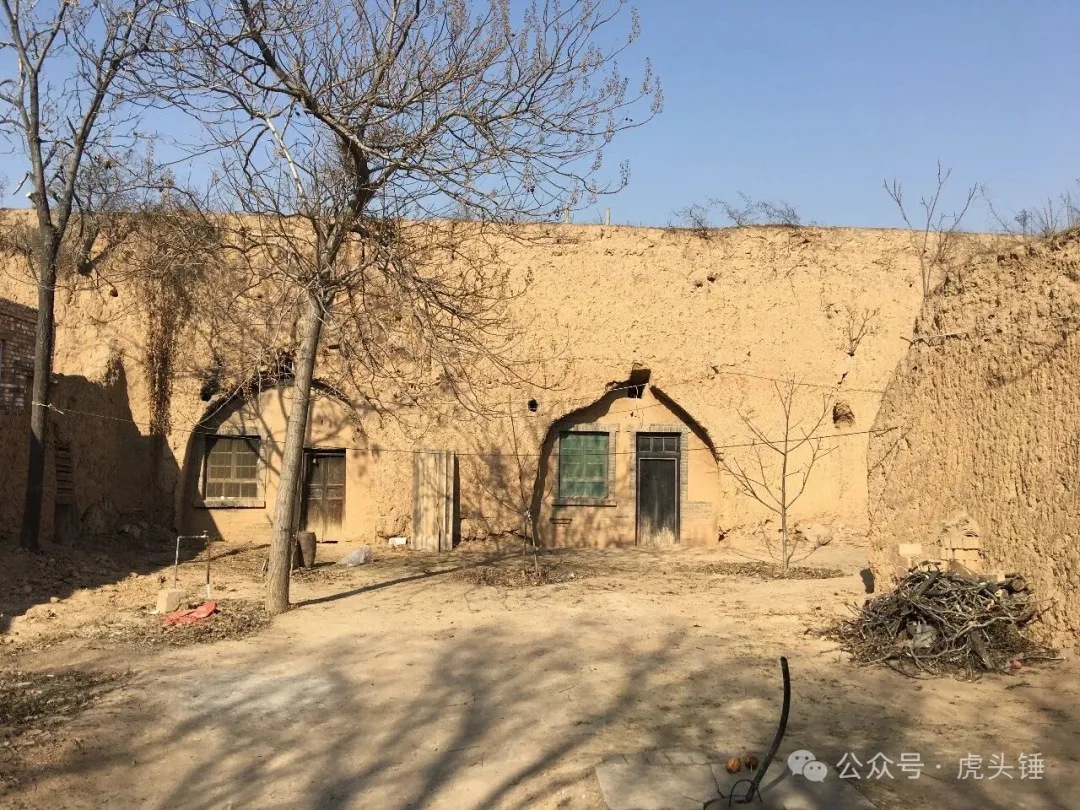
As the eldest child, he always carried the responsibility of an older brother, looking after his younger siblings and helping pay his brother's tuition. Decades later, that role hasn't changed.
2018 was the heaviest year for Lao He. His daughter took a leave from school and was diagnosed with depression; his wife was diagnosed with stiff person syndrome and needed long-term treatment. He wrote in his summary that many times he thought he couldn't hold on, filled with guilt for not giving his daughter enough companionship.
He admitted he cried many times. A few times, he sat alone in the car, hands on the steering wheel, tears streaming down. Other times, he cried in the garage. After crying, he wiped his tears and walked out again.
It was a dark time, and he even thought about giving up. But later he said: "Leaving was also self-rescue, for life, for the child." He chose to believe in his child and in the power of life.
Friends knew his situation and reached out to help. Some accompanied him to the hospital, some helped him contact doctors. At the same time, he continued to look after others. Most of our large group later got offers from NAB, and I still remember the scene of a bunch of us drinking coffee in NAB's office building.
Life Elsewhere
Separating from his ex-wife and child was not a sudden decision. During that period, he often wondered what was truly best for the family. Prolonged illness and emotional strain exhausted everyone. After much struggle, they made a rational decision together: keep some distance, stabilize emotions, and take care of themselves so they could better care for the family.
Fortunately, Australia's welfare system gave them a stable foundation: they live in their own house, the Disability Support Pension gives them financial independence, and the NDIS budget ensures daily care from dedicated workers. This allows Lao He to work and pay taxes with peace of mind, and visit regularly.
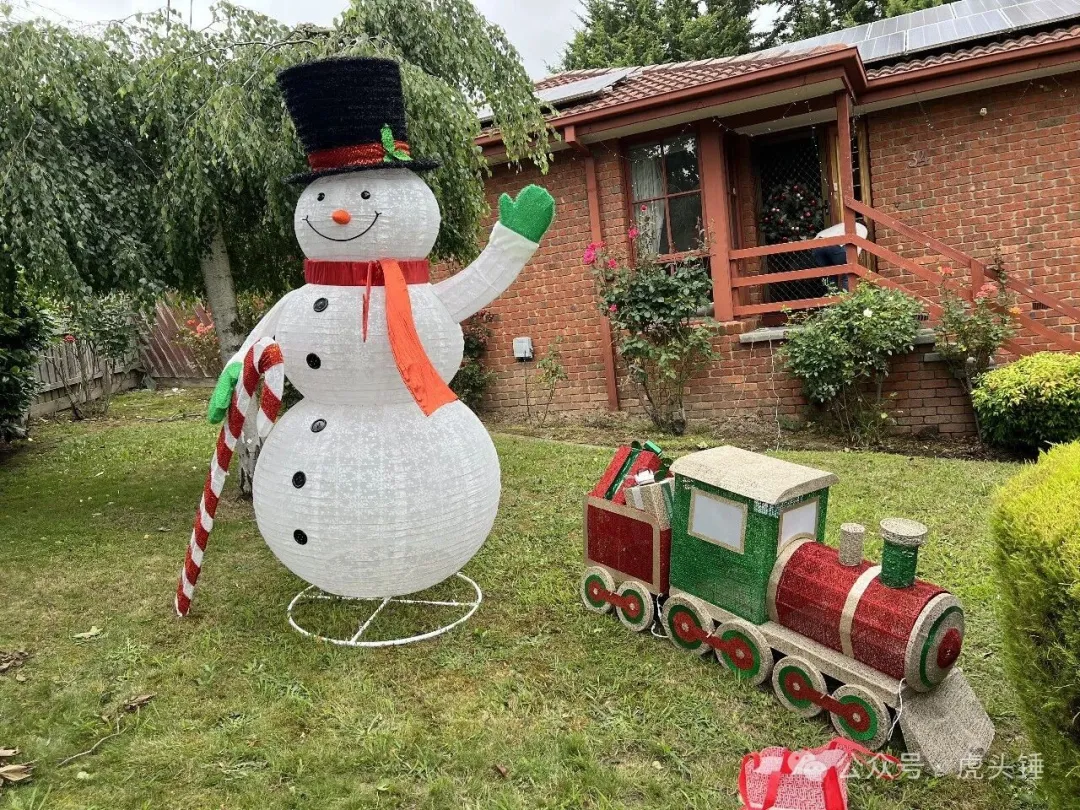
Lao He's agreement with his daughter: every Christmas, they add at least one decoration, and the two of them assemble it together.
Lao He moved out on his own. For a while in 2023, he got an RV and worked wherever he drove. Over four months, he visited the Great Ocean Road, Lake Entrance, Bemm River, and parts of New South Wales and Queensland. He often sat alone at campsites, staring at the starry sky, emptying his mind. The freedom of being alone.
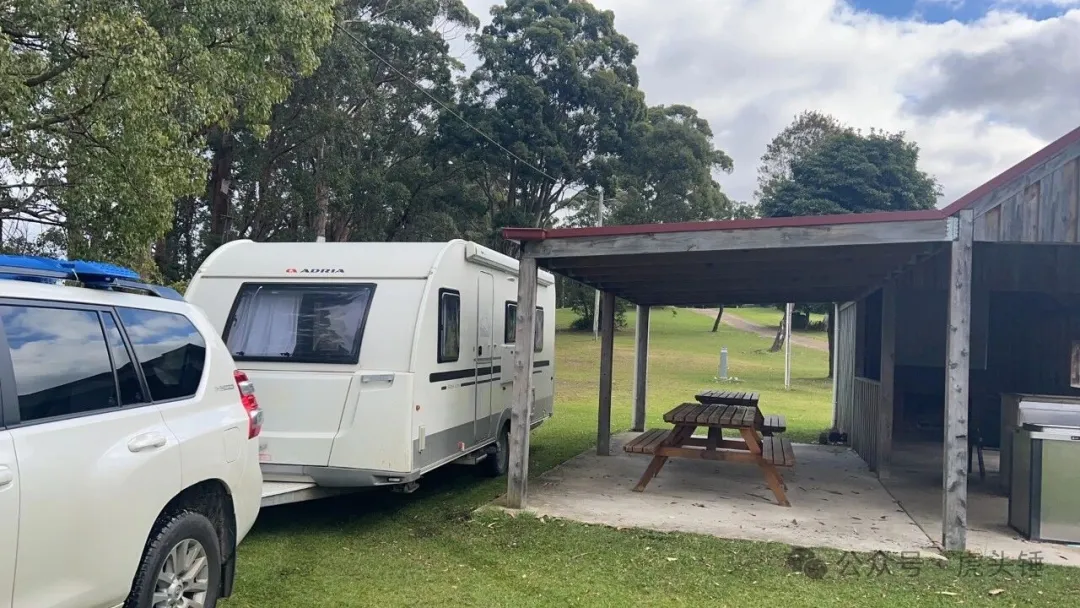
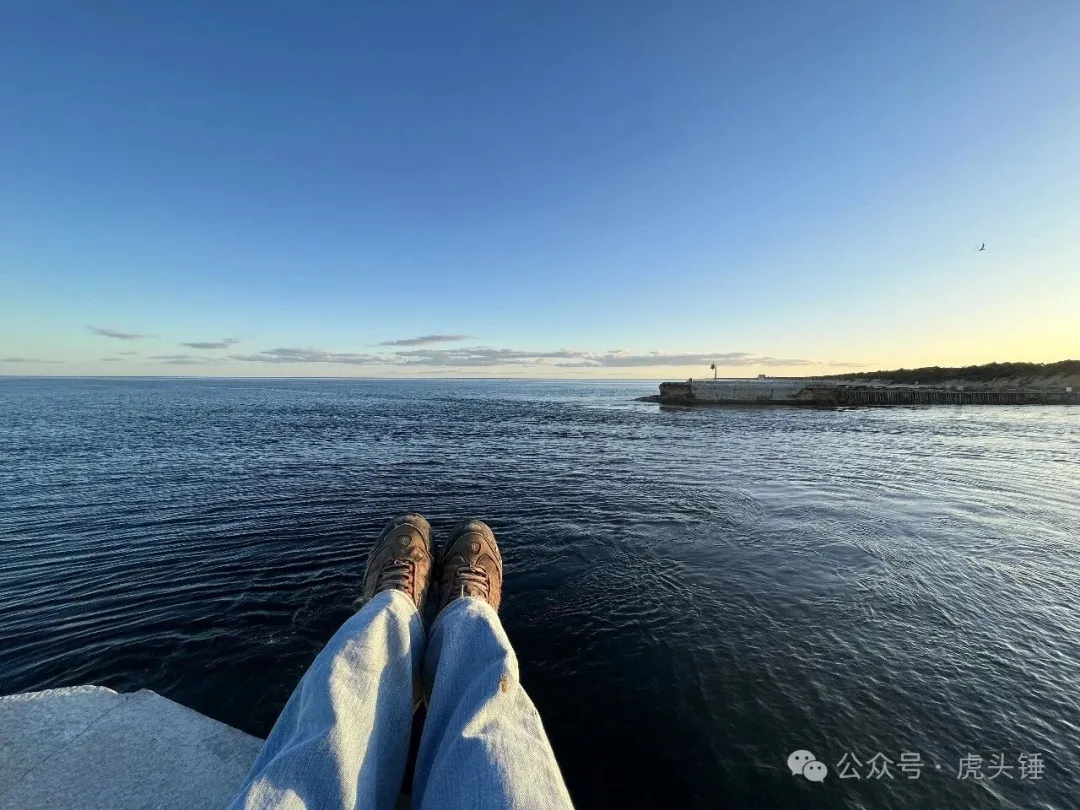
As time passed, loneliness slowly crept back. Just when he thought life would pass quietly, a new relationship quietly entered. Not dramatic, but like gentle rain after a long drought, bringing a bit more hope and smiles to life.
Lao He often says, "Be grateful."
He is a responsible older brother, a dutiful son, a provider husband, a guilty father, and a trustworthy colleague and friend. He cried and hurt through the heavy days, and now he has let go of his burdens, forgiven himself, and begun to discover the beauty of life, pausing and moving with time.
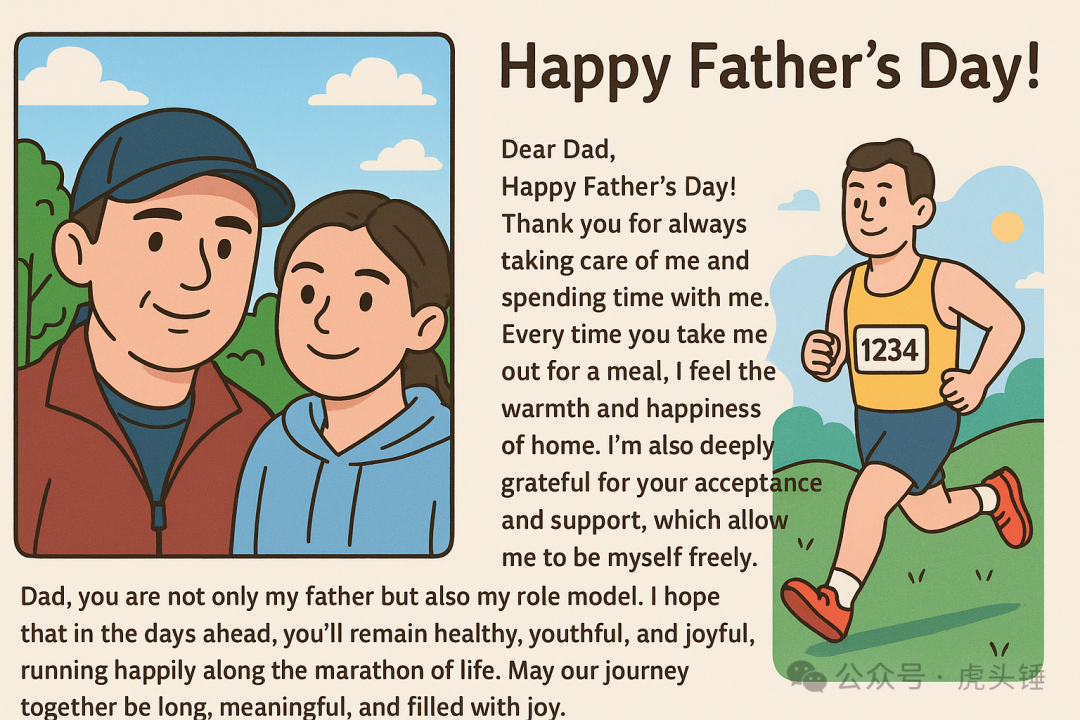
Just a few days ago on Father's Day in Australia, Lao He received a Father's Day greeting from his daughter. Another September, a thriving September.
The email on September 18, 2013, was just a milestone.
The real story is the fragments that followed: friends who helped revise resumes and coached interviews, the incident in the meeting, the tears in the car, the starry nights in Australia.
Brother Lao He is still on the road.